
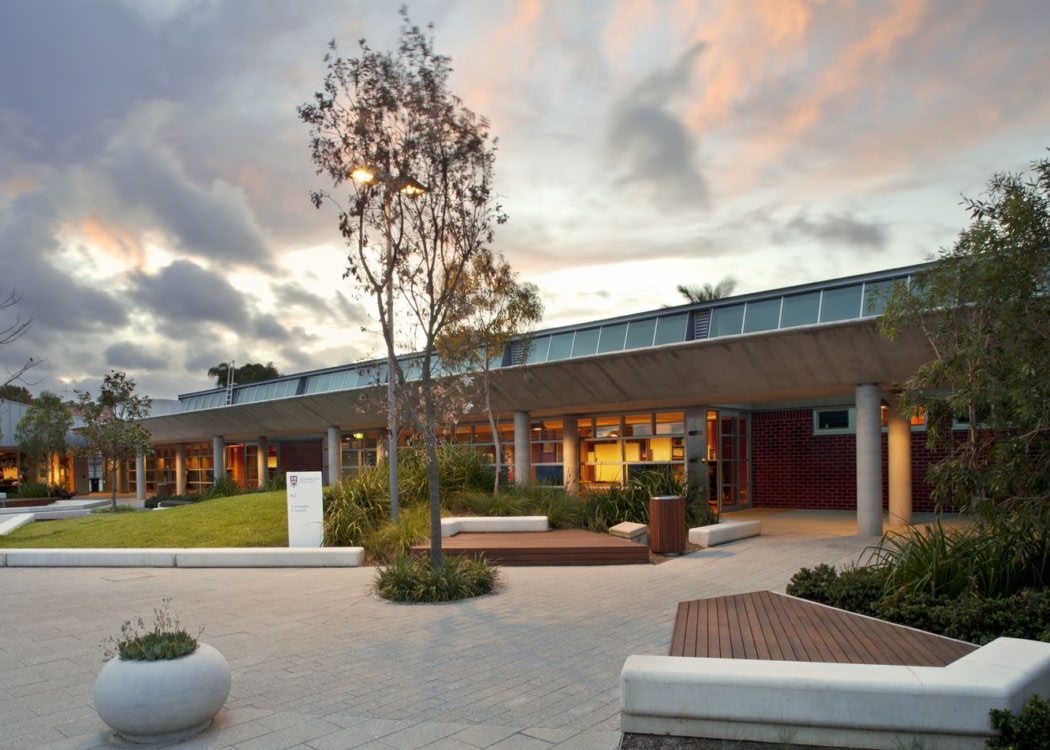
Cranbrook Junior School
Tzannes’ Cranbrook Junior School in Sydney harmoniously integrates a village-like atmosphere with environmental learning, utilizing thoughtful materials and spatial arrangements to foster interaction and inquiry among students.
With the initial masterplan by Mayoh Architects, the site planning for the Cranbrook Junior School was developed to maximise solar access from the north, provide a clear vehicular and pedestrian access, and fit the campus within the existing urban setting.
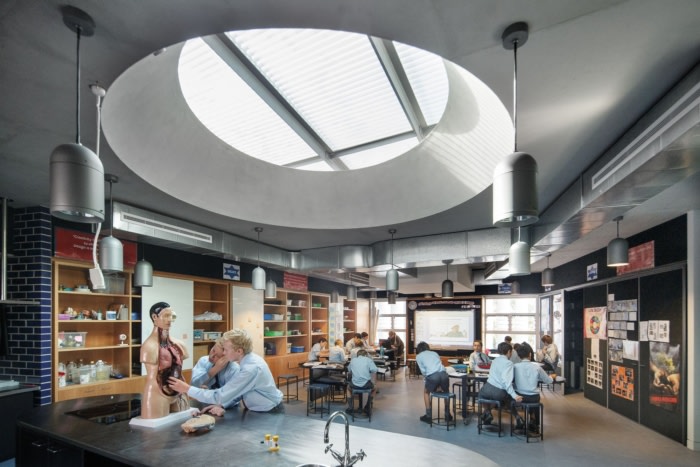
Alec Tzannes’ design principles of ‘quality’ and ‘appropriateness’ stated in his early career are reaffirmed here: ‘We developed a built form and architectural language for the school that is “appropriate” to its place and its use … It responds to the school’s demands for “quality” and desire to build for the long term’. The creation of functional arrangements and progressive experiences guided by Reggio Emilia was a major design driver. The campus is like a ‘village’ and learning is integrated with environmental experiences akin to such a setting. This includes making visible the environmental design and technologies of the architecture as a learning opportunity.
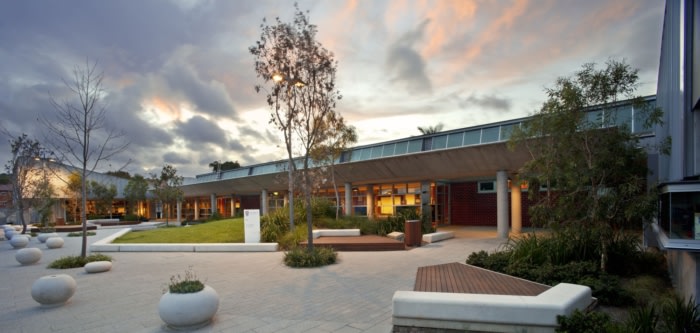
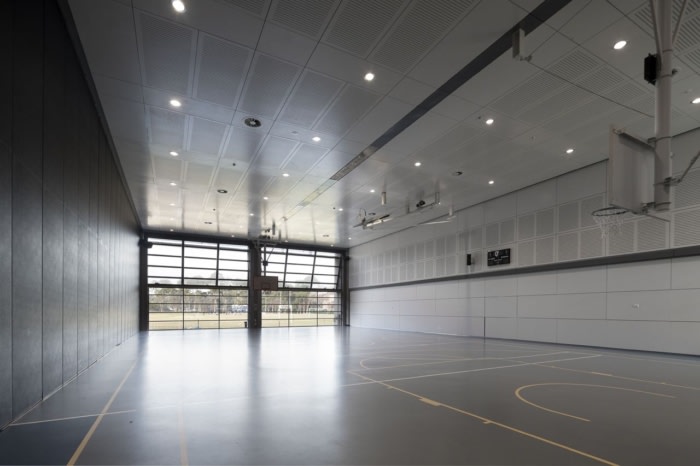
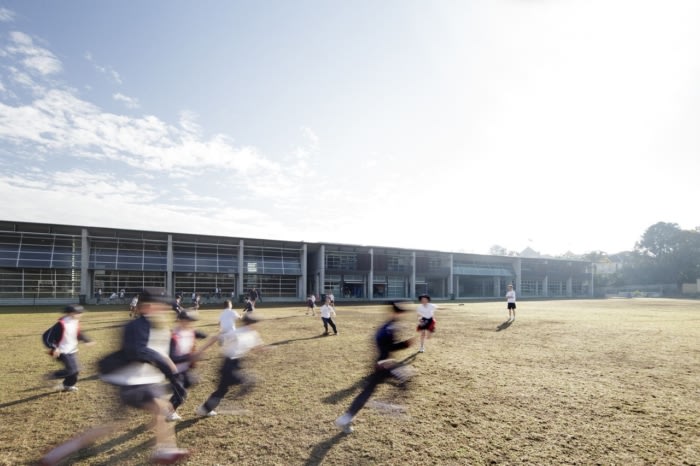
The architecture responds to the significant changes experienced by the students as they grow throughout their school years. Lower-scale buildings for the kindergarten to second year schoolchildren are located adjacent to the surrounding residential neighbourhood. The building for the children in years three to six is more complex and larger in scale, and is linked to the sports oval through a double-height traditional colonnade. To provide consistency across year-groups, each year classroom is grouped around a ‘piazza’ with shared outdoor learning facilities – again, part of the Reggio Emilia metaphor of the ‘village’ as a learning environment. The spaces actively encourage a culture of interaction and inquiry.
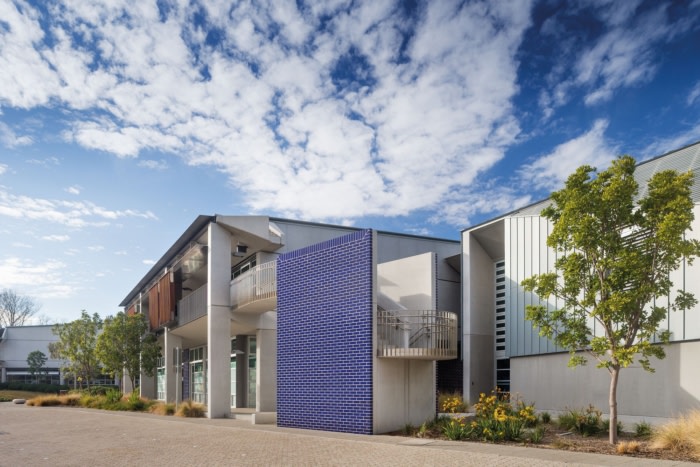
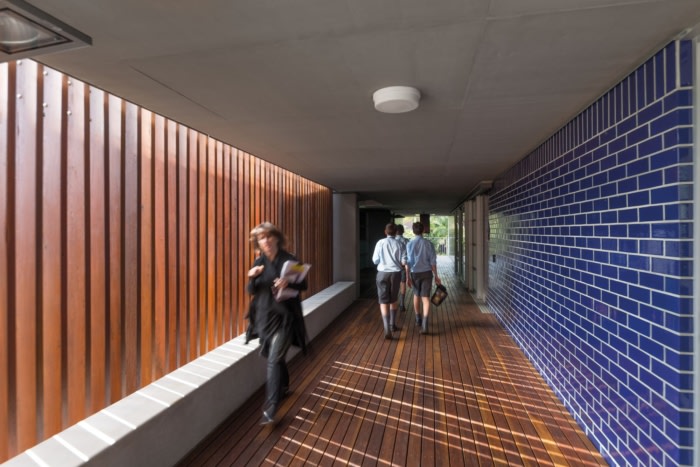
To underpin the school’s ambition for long-term construction materials which would weather with patina, Tzannes developed a strategy for the selection of materials, and details were developed accordingly. The organisation of the plan with open flowing spaces stimulates children to free expressive experiences and creative thinking. Balconies and circulation routes are designed as casual social areas to encourage informal activities, participation and collaboration among students. The architecture supports the development of social skills and ‘student to student’ learning. Corridors, building technologies, interrelationships between rooms and piazzas, scale and proportion change between K–2 and 3–6 are all design contributions to learning and teaching.
Design: Tzannes
Photography: Simon Wood, John Gollings




Now editing content for LinkedIn.