
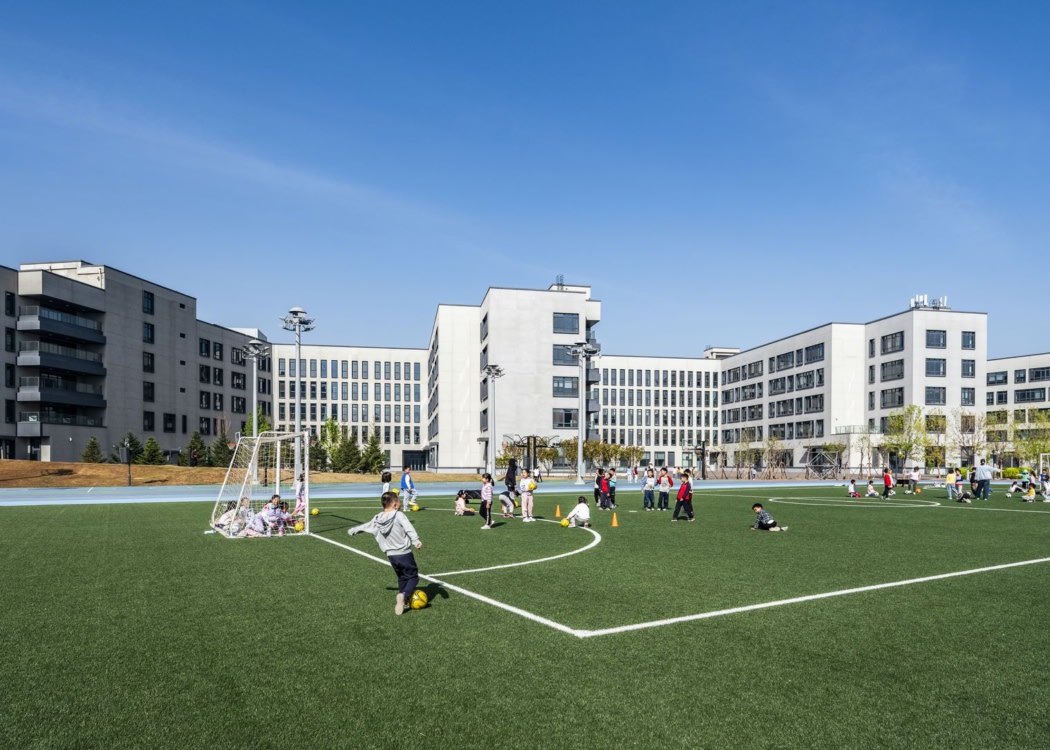
Beijing Navigation School (BNDS Flagship Campus)
The Beijing Navigation School showcases a design focused on innovative learning environments, featuring modular “Learning Communities” for collaborative, project-based learning within a welcoming, versatile, and expressive campus.
The Beijing Navigation School stands as a pioneering prototype for the “schools of the future” in China. Designed by Education Design International in collaboration with CADG and Facility Asia, the campus is a direct architectural response to the Fourth Industrial Revolution. Its core philosophy, “Mastery Through Practice,” shifts the focus from traditional rote learning to a student-centered, project-based environment.
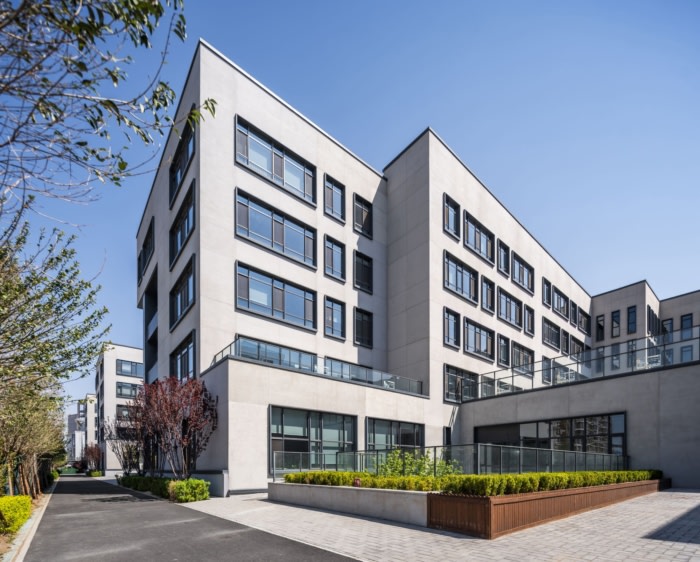
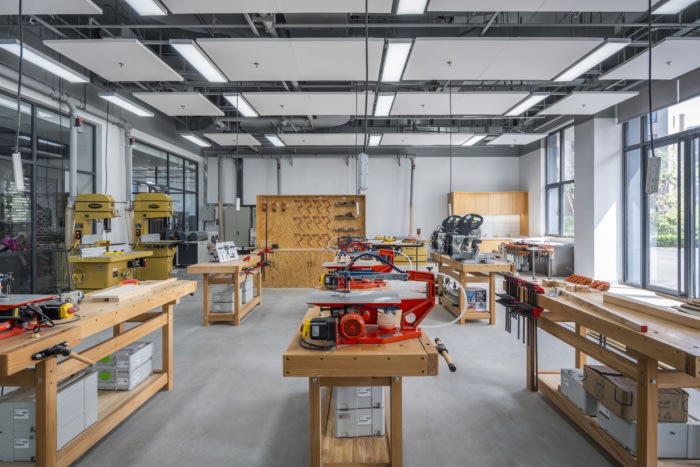
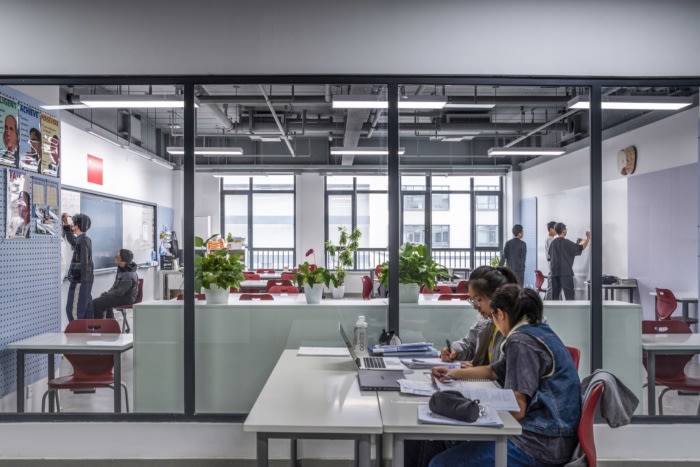
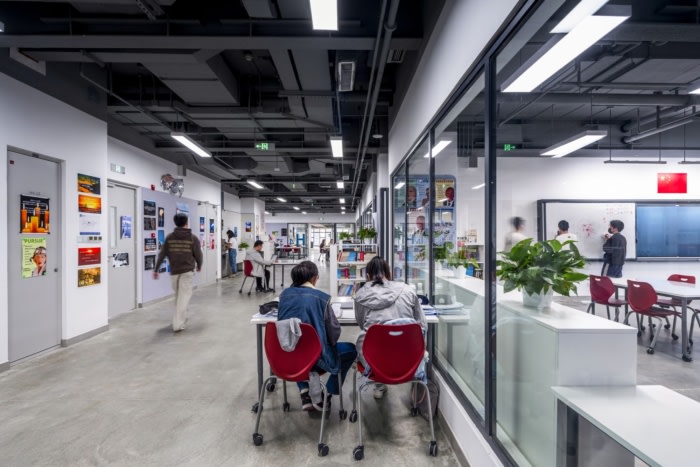
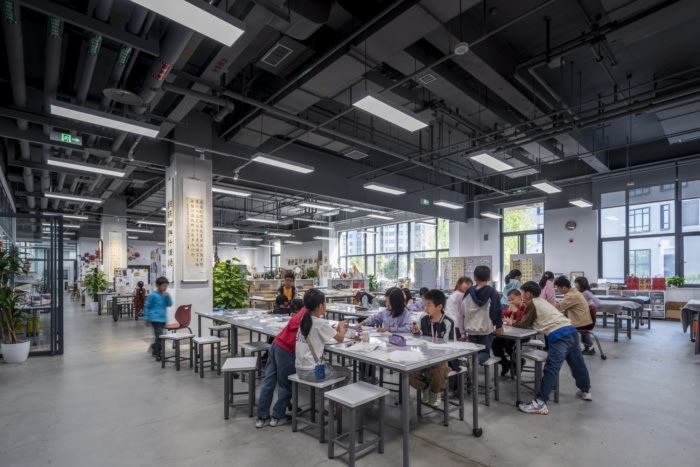
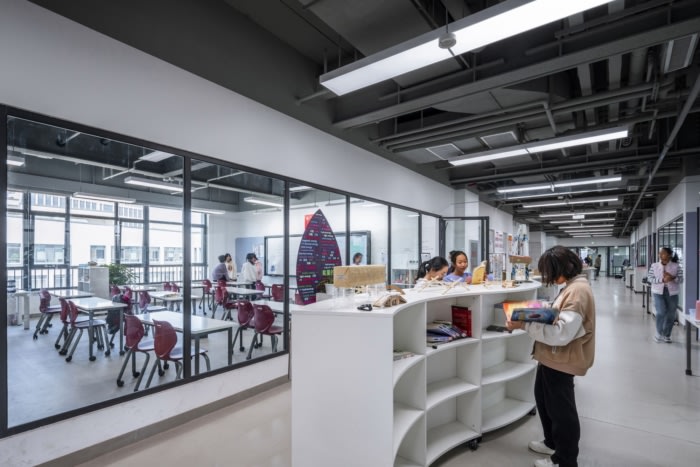
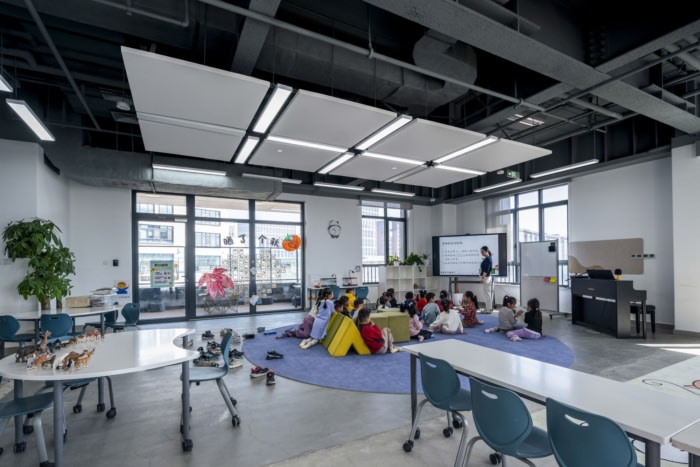
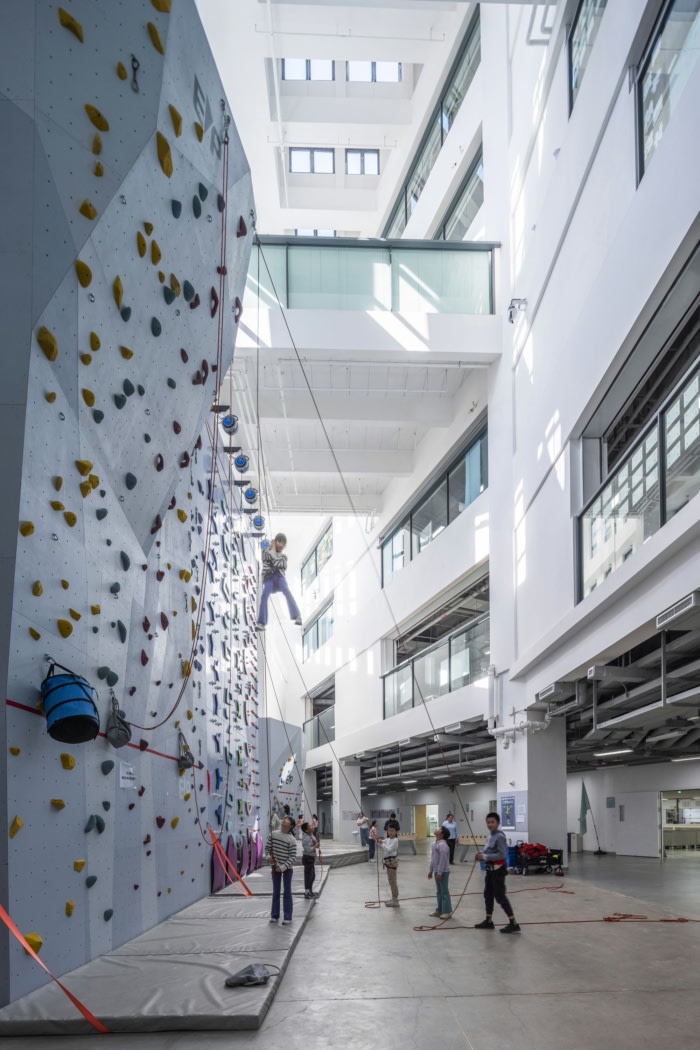
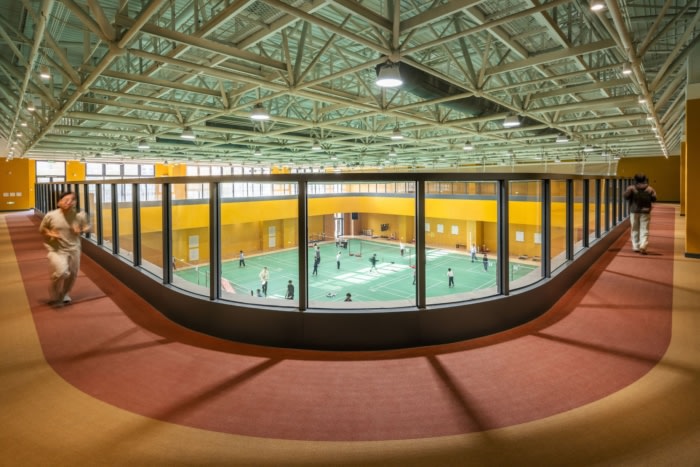
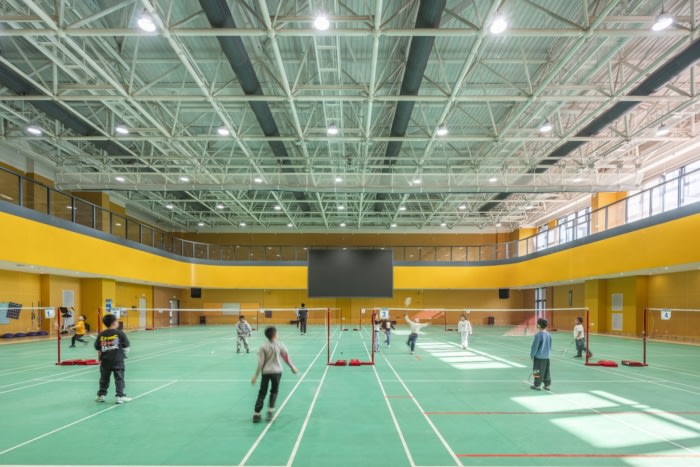
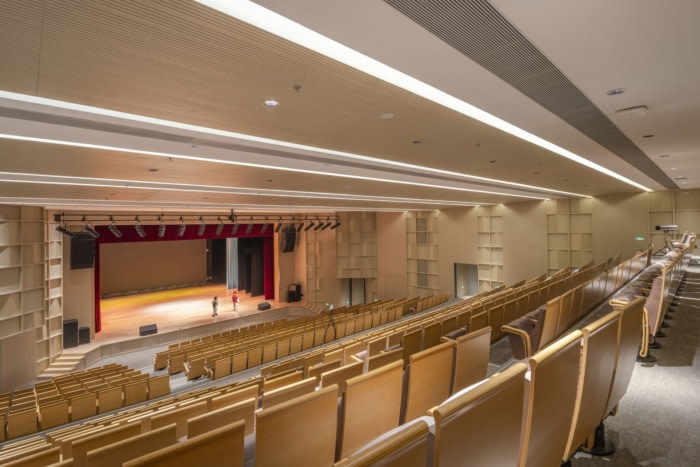
Spanning 96,000 square meters in Beijing’s Tongzhou district, the campus accommodates 2,880 students. The design abandons the traditional “one-size-fits-all” corridor-and-classroom layout in favor of modular “Learning Communities.” Each grade is divided into smaller cohorts of 80 students, each within a self-contained community that includes quiet reading zones, project labs, breakout areas, and tech-enabled maker spaces. This decentralization fosters intimacy, collaboration, and a sense of autonomy.
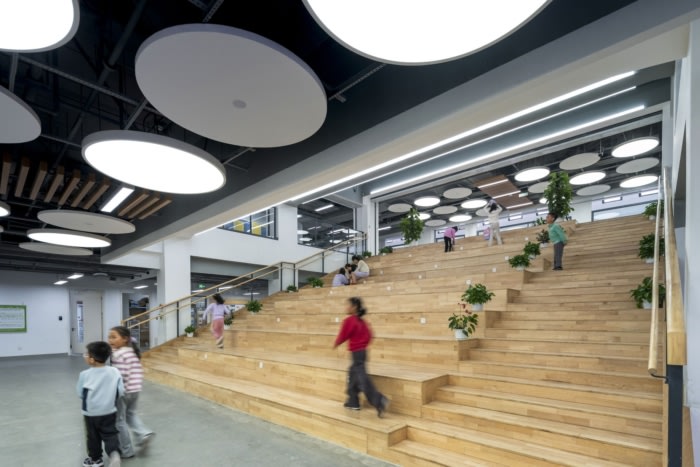
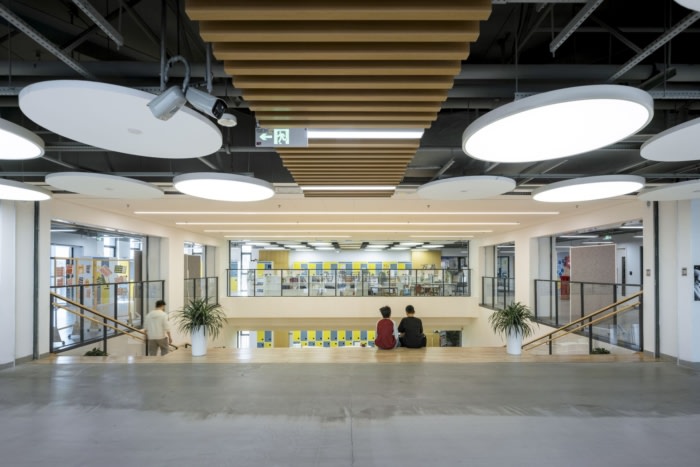
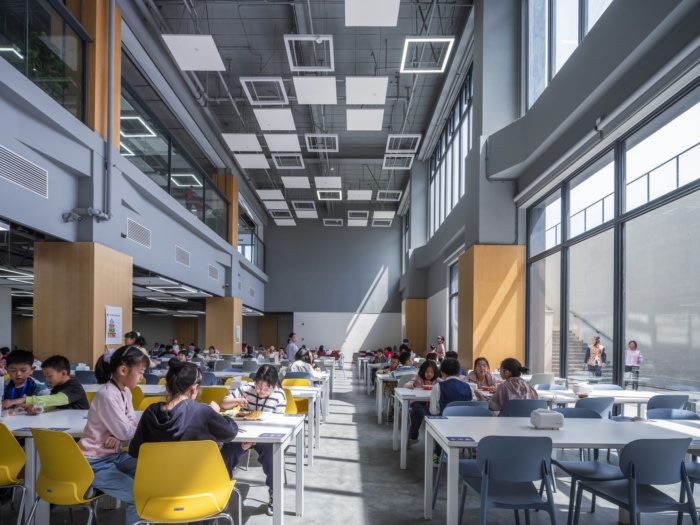
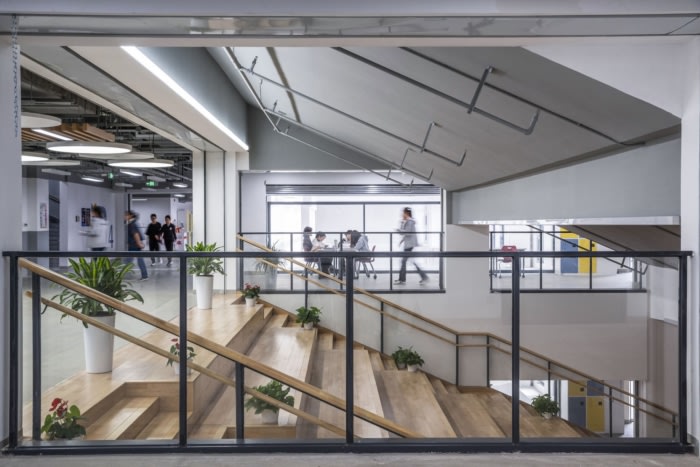
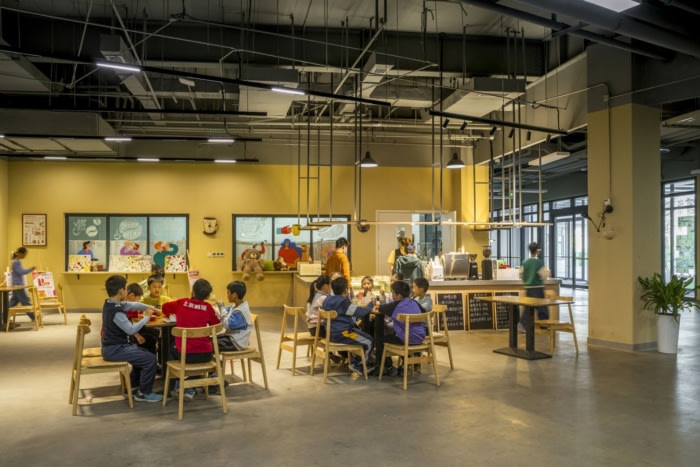
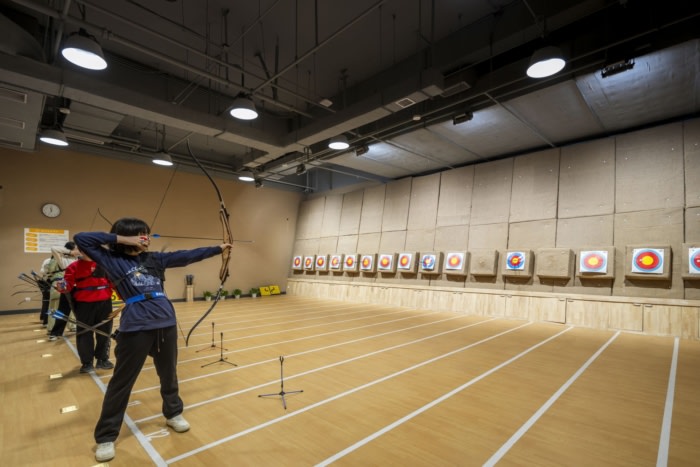
The spatial experience is defined by three pillars: Welcoming, Versatile, and Expressive. The “Welcoming” aspect is achieved through soft furnishings, natural textures, and scaled-down interior volumes that make the large campus feel like a second home. “Versatility” is embedded in the flexible furniture and adaptable partitions that allow spaces to transition from individual focused work to large-scale prototyping. “Expressive” elements, such as the central atrium and specialized academies for STEM, Arts, and Humanities, encourage students to navigate complex topics through hands-on exploration.
At its heart, the Beijing Navigation School serves as a flagship for educational transformation. It provides a scalable model for how physical environments can support social-emotional development, teacher collaboration, and interdisciplinary learning, ultimately empowering students to become active participants in their own education.
Design: Education Design International (EDI)
Local Design Institute: China Architecture Design and Research Group (CADG)
Interior & Construction Services: Facility Asia
Photography: Jin Weiqi







Now editing content for LinkedIn.