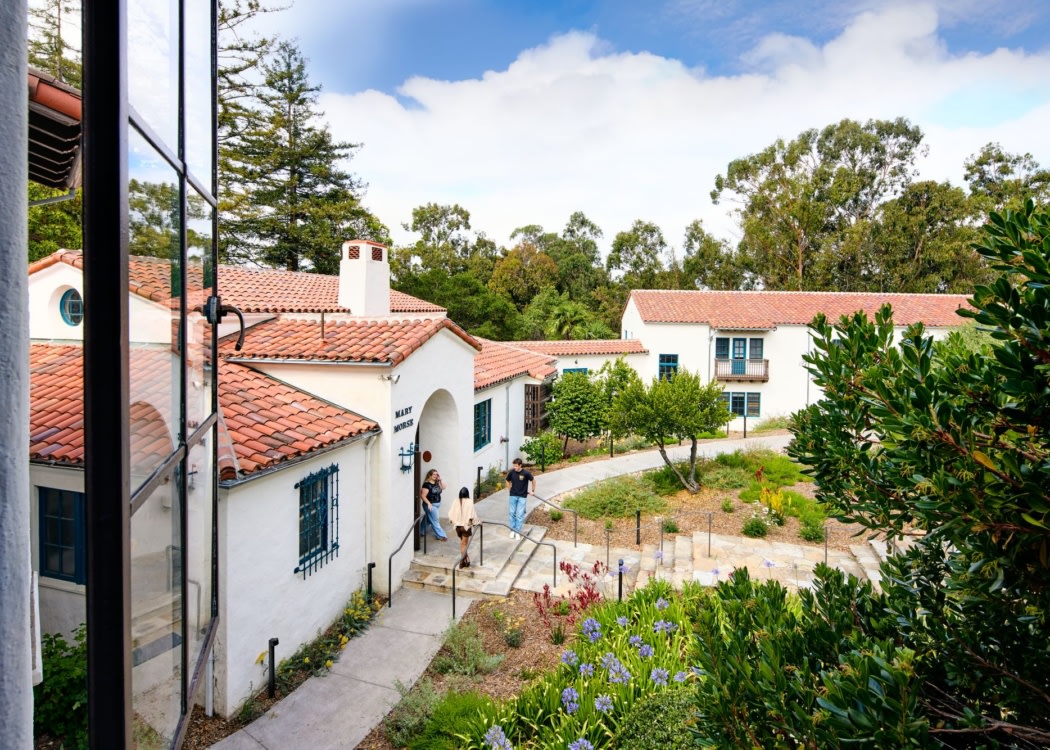
Northeastern University Oakland Mary Morse Hall – Phase 2
TEF Design’s renovation of Northeastern University Oakland’s Mary Morse Hall revitalizes this historic residence, enhancing student housing while preserving architectural integrity and addressing climate resilience in Oakland, California.
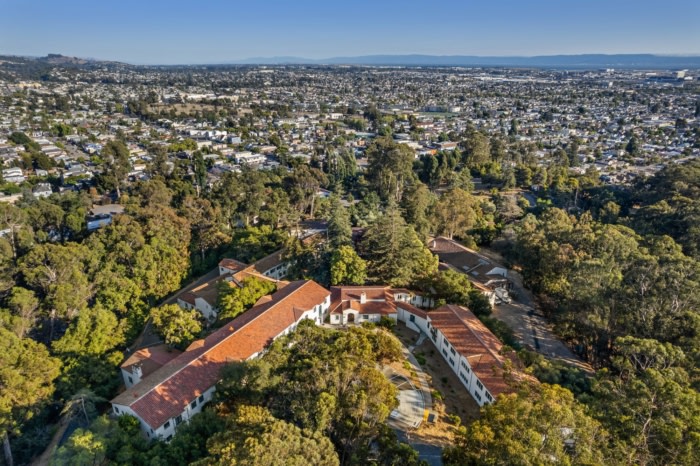
Perched atop Prospect Hill overlooking MacArthur Boulevard, on the southwest edge of Northeastern University’s Oakland campus (formerly known as Mills College), the the Phase 2 renovation by TEF Design of this historic residence hall revitalizes a treasured campus gem to meet evolving standards for student housing, address climate change, and support the academic and social needs of current and future incoming students.
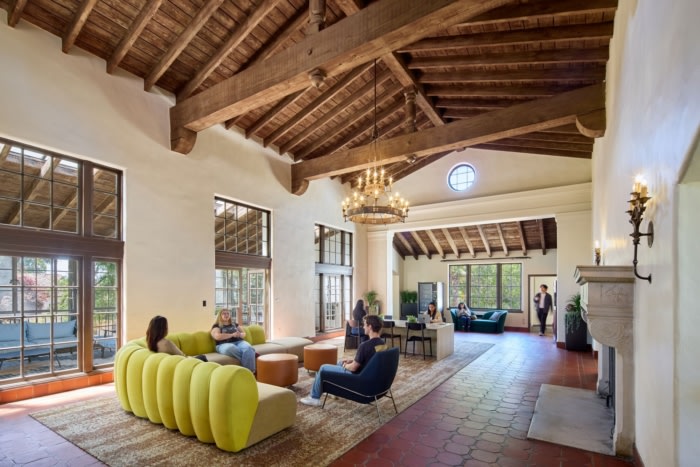
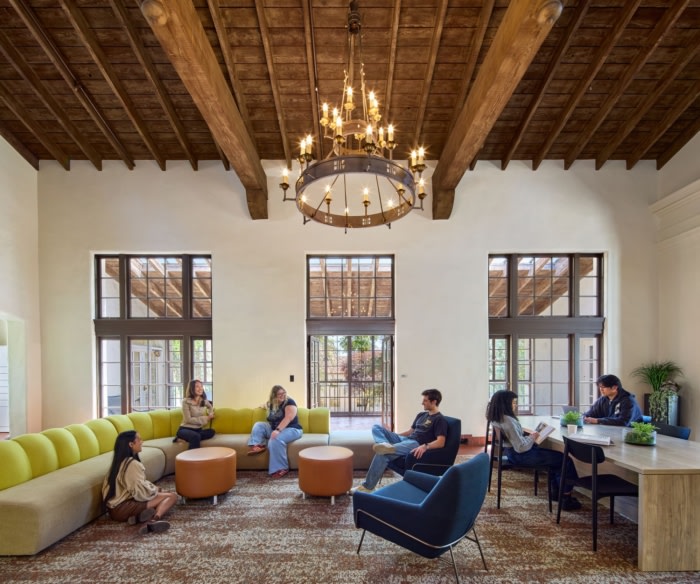
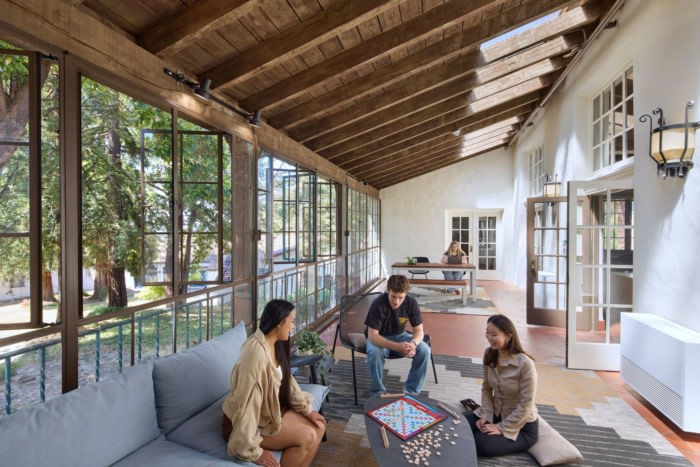
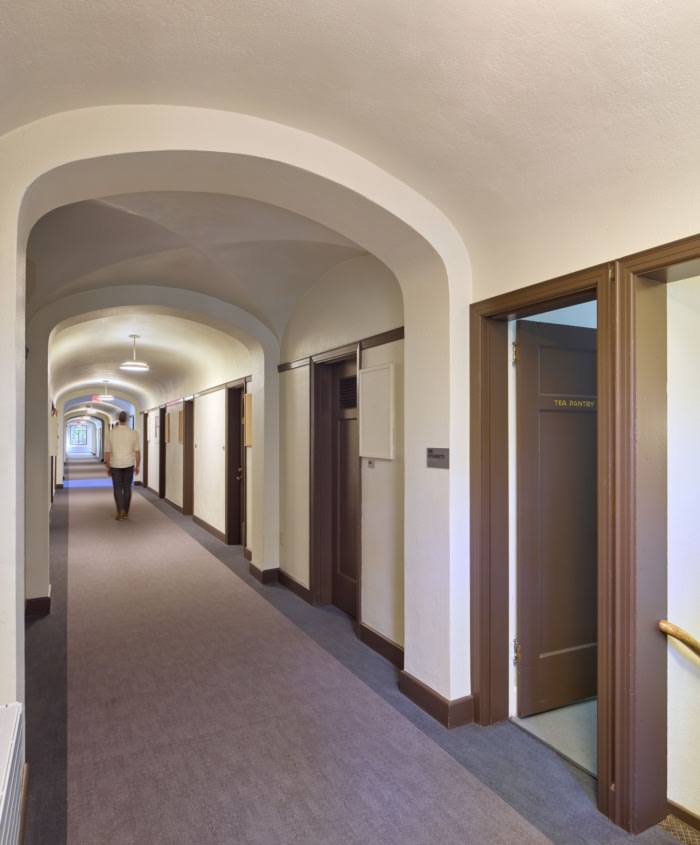
Previously, in 2023, SmithGroup provided Phase 1 strategic improvements for exterior scope and interior improvements to the historic design for the living room, balcony, and corridors with a new modernized interior concept of furnishings and carpet in the living room and balcony.
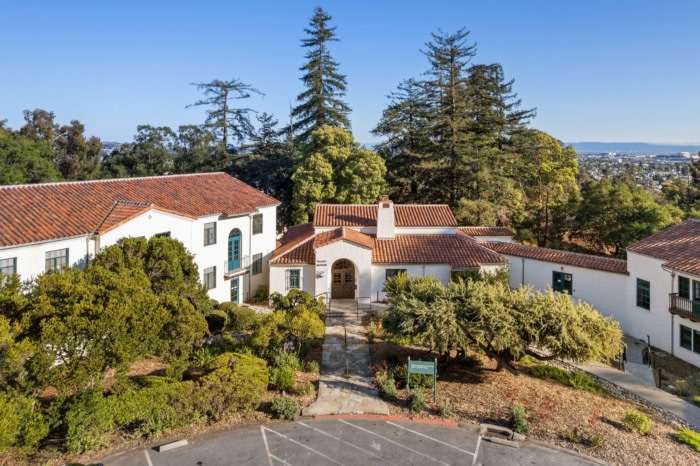
Part of a residential complex encompassing an adjacent dormitory known as Ethel Moore – and designed in the Spanish Colonial Revival style by esteemed Bay Area architect Walter H. Ratcliff, Jr. – Mary Morse was constructed in two phases: the East wing, living and dining room in 1935, followed by the West wing in 1944. While faithfully serving the residential needs of the college over the intervening decades, its aged infrastructure and configuration were in need of upgrade and reimagination to meet best practices and expectations for undergraduate residential life, while preserving the historic integrity of the building.
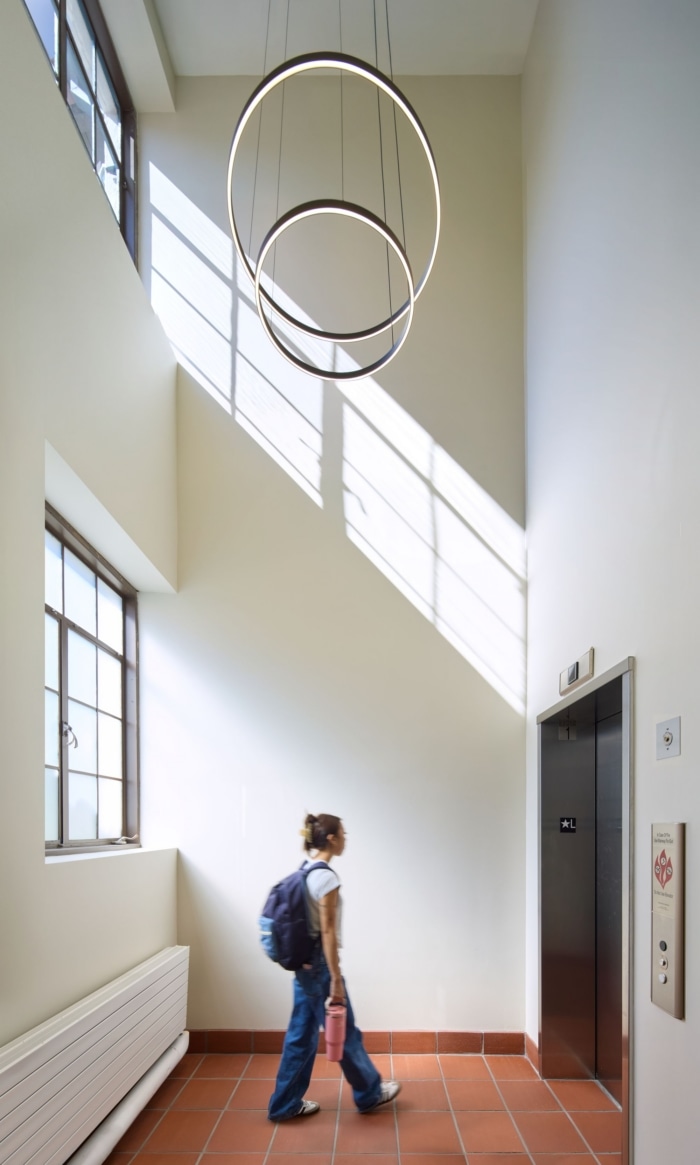
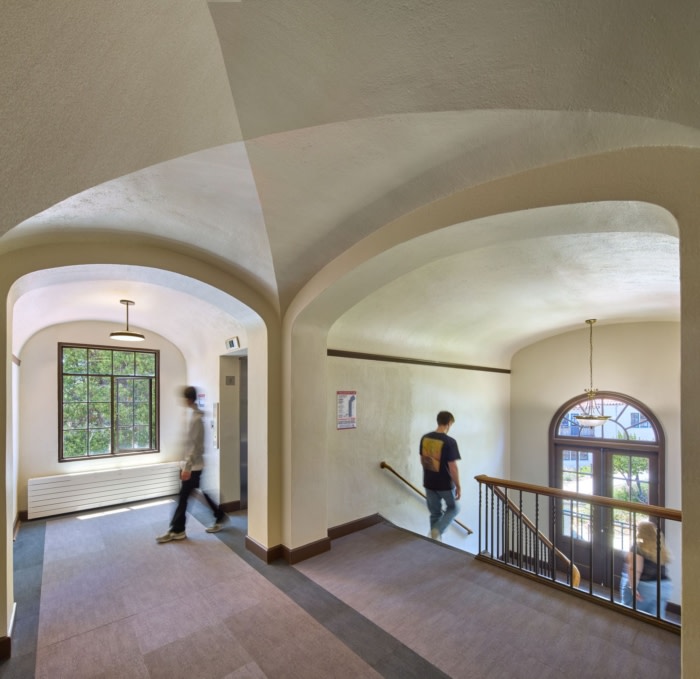
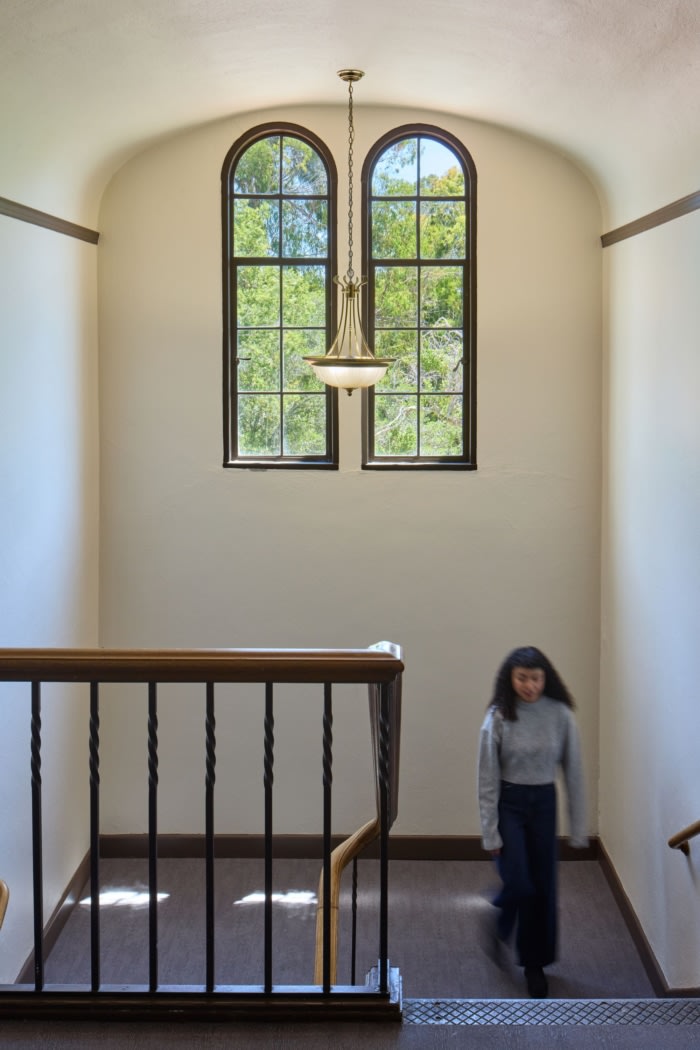
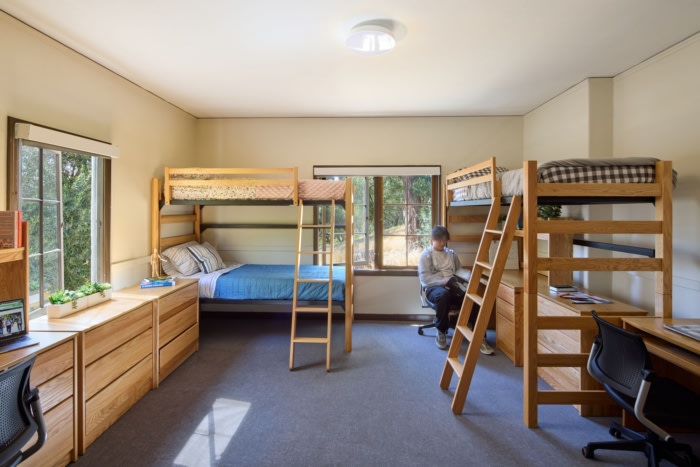
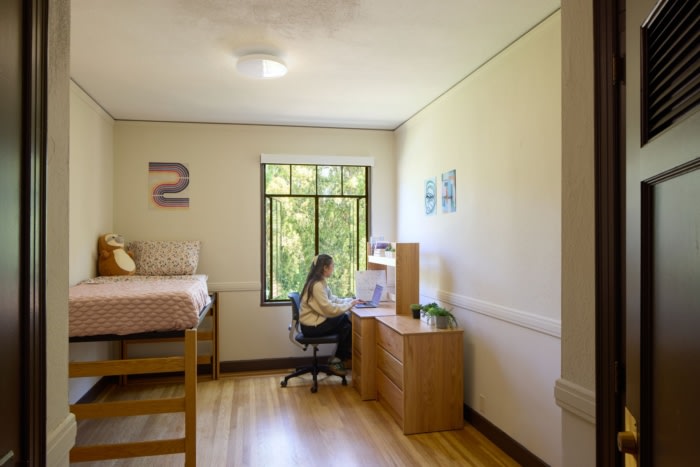
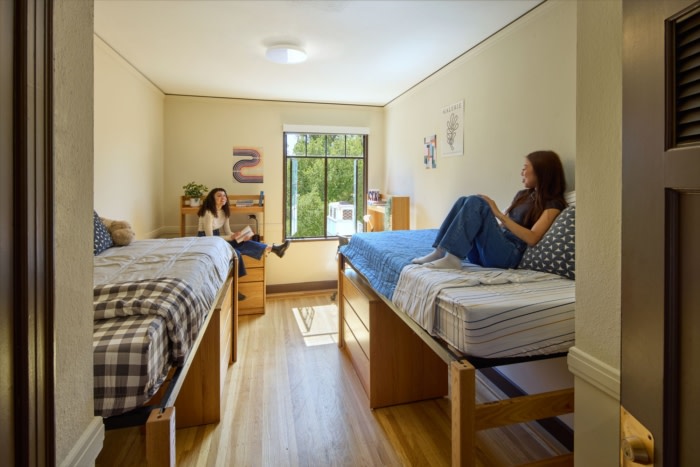
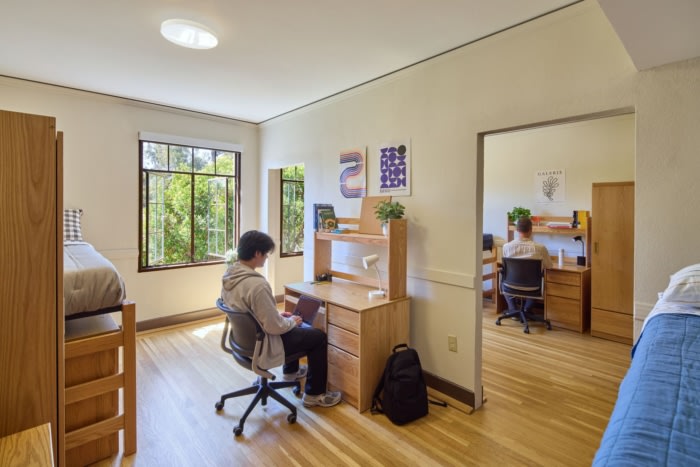
Renovations focused on increasing capacity, retrofitting building systems and advancing the University’s all-electric initiative within the constraints of the historic structure. A key challenge was the need to diversify unit options when existing room modules are integrated into the building’s structural and window systems. The team was able to expand the mix of single, double and triple units, plus private rooms for the Residential Director and Resident Assistant, within the confines of existing structural bays by leveraging generously-sized single units to support double occupancy or combining two singles into a triple with connecting access, for example. Two units were also replaced by a new elevator and double-height lobby with windows in order to sensitively meet accessibility compliance within the building envelope. Shared amenities, including laundry, restrooms and showers, kitchens, and main living spaces were also expanded and refreshed.
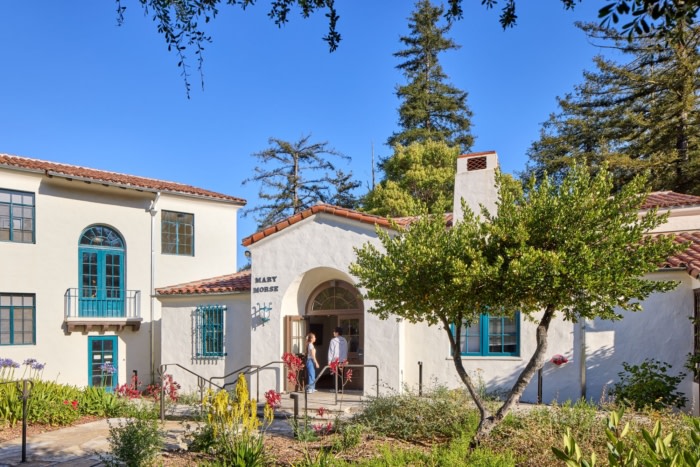
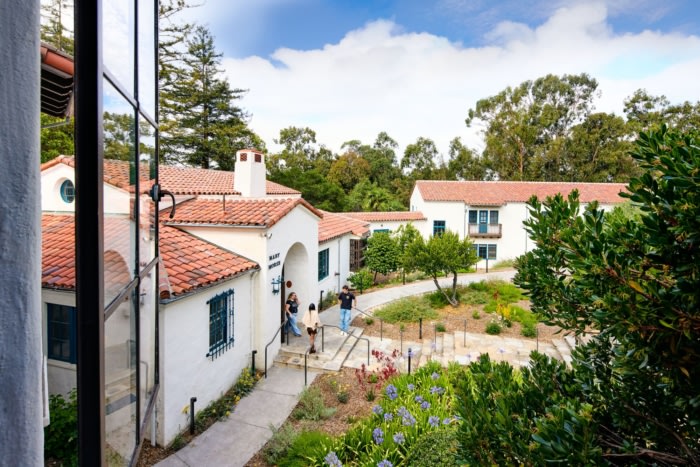
Building upgrades include the replacement of outdated building systems, with fan coil units in every room and a new electric hot water system. The seismic approach focused on strengthening the basement/crawl space and reinforcing the first-floor diaphragm to minimize impact to historic fabric and rooms on upper levels. Exterior upgrades include a new accessible path of travel from the parking lot to the front door, located to the right side of the building in order to maximize the amount of original landscaping and preserve the sequence of the main entry steps.
Roof tiles were reused and new floor tiles were sourced from Gladding McBean, the original manufacturer. In addition to minimizing carbon and construction waste, the project takes advantage of the building’s unique vintage assets to appeal to prospective students. Designed in compliance with the Secretary of the Interior’s Standards for Rehabilitation, TEF facilitated an expedited design schedule and construction process, providing early procurement and phased permitting packages.
Architecture and Interiors: TEF Design
Design Team: Diana Hayton, Elisabeth Mackay, Lindsey Moder, Gretchen Korsmo, Marcos Gonzales-Bode, Sophie Dosick
Furniture and Finishes (living room and sunroom): Smithgroup
Contractor: Turner Construction
Civil Engineer: BKF Engineers
Electrical Engineer: RIJA
Mechanical/Plumbing Engineer: Alter Engineers
Structural Engineer: Rutherford and Chekene
Photography: Mikiko Kikuyama, Open Homes Photography